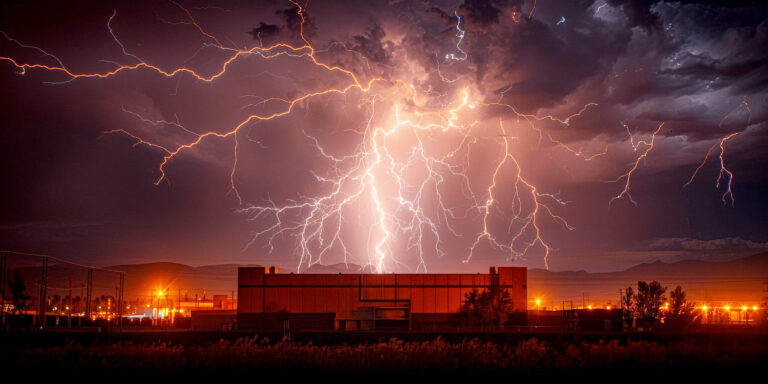




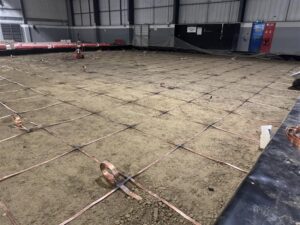
Lightning protection is sometimes dismissed as old-fashioned. Copper tapes, earth rods and inspection pits can look much the same today as they did decades ago.
That leads to a common assumption: if it looks old, it must be old.
The truth is more nuanced. Some lightning protection systems are outdated. Others are highly engineered, modern systems designed using the latest standards, materials and risk assessment methods.
Knowing the difference matters.
The myth: ‘Lightning protection is old technology’
At Omega Red Group, we still come across lightning protection systems that were installed many years ago and have never been properly reviewed. These include:
- single earth systems that would not meet today’s design guidance
- systems installed before surge protection was widely understood, and
- protection designed for buildings that have since changed use or been extended
Because lightning protection standards are not retrospective, there is often no legal obligation to upgrade an existing system just because standards have evolved. That can create the impression that older systems are ‘good enough’.
But compliance alone does not always mean protection.
The reality: Modern systems are carefully engineered
Modern lightning protection systems are designed in line with well-established standards such as BS EN 62305, which is based on decades of research into lightning behaviour, risk and damage.
Today’s systems are not generic. They are bespoke, designed around:
- the structure and materials of the building
- how the site is used
- the presence of sensitive or safety-critical equipment, and
- the consequences of failure, not just the likelihood of a strike
This risk-based approach means protection is proportionate and effective.
Old vs modern systems
Some things do not change. The physics of lightning remains the same.
What has changed is how we apply that knowledge.
Modern lightning protection systems are no longer just about external conductors on a building. They are engineered solutions that combine:
- an external lightning protection system, including air termination, down conductors and earthing; and
- surge protection, coordinated to protect electrical systems and sensitive equipment
This integrated approach reflects a sound understanding of how lightning energy enters and affects modern buildings. It provides a significantly higher level of protection than external measures alone.
A note on emerging and alternative technologies
It is also worth noting that some technologies are often described as ‘modern’ simply because they are different.
Early streamer emission (ESE) devices are used in some parts of the world and are sometimes presented as an alternative to conventional lightning protection. However, they are not recognised within British lightning protection standards and are therefore not used in systems designed to BS EN 62305.
At Omega Red, our designs are based on proven principles and compliance with recognised standards. This ensures systems are robust and appropriate for use in the UK.
Maintenance matters
Even the best-designed system will not perform properly if it is neglected.
Under the Health and Safety at Work etc. Act 1974 (HSWA), those responsible for buildings have a duty to manage risks so far as is reasonably practicable. That includes maintaining safety systems and ensuring they remain effective.
Regular testing, inspection and maintenance are essential. We recommend inspection every 11 months so that deterioration, damage or site changes can be identified early.
In many cases, it is also sensible to review whether an existing system still protects what you think it does. Buildings evolve. Use changes. Equipment is added. Operating hours extend. All of these can significantly alter risk.
Built to last, designed to perform
At Omega Red, we have always been careful in selecting components that meet relevant British Standards. With proper maintenance, well-designed systems are built to last.
Component standards such as IEC 62561 ensure materials continue to meet strict performance requirements.
Experience where it matters most
Omega Red has been designing, installing and maintaining lightning protection systems since its incorporation in 1987. We work across all building types, from residential and commercial developments to energy, water, nuclear and defence sites.
Our team also specialises in complex and high-risk environments, including energy-from-waste facilities, ammunition storage and manufacturing sites where explosive or hazardous atmospheres are present.
This experience informs every system we design.
The bottom line
Lightning protection is not outdated technology.
What is outdated is assuming that a system installed years ago, for a different building, with different equipment and different risks, will still provide the protection you need today.
Standards are not retrospective, and lightning protection systems are designed to last. But buildings change. Use changes. Occupancy changes. Equipment changes. And those changes can significantly alter both the level of risk and the consequences of failure.
The safest approach is not to rely on assumptions, but to periodically review whether your existing system still aligns with current standards, use and expectations.
If you are unsure whether your lightning protection system still does what you think it does, speak to one of our team. Our specialists will review your existing documentation and advise whether a formal lightning protection risk assessment would be beneficial.
If you enjoyed this article, why not plug into our podcast ‘Grounded in Safety’?
Our first episode ‘StruckSmart’ gets practical about lightning protection. Hear about how strikes really travel, where myths mislead decisions and why the newest BS EN IEC 62305 standard changes how we think about risk, fire and system uptime.
Listen on Spotify | Listen on Apple Podcasts | Watch on YouTube
Don’t forget to subscribe to be one of the first to hear about new episodes.