
Safety starts in the office: The people behind safe work at height

Safety starts long before anyone arrives on site. Omega Red Group’s Office Manager, Laura O’Reilly, explores why training office-based teams is just as important as training engineers, and how shared understanding helps create a stronger safety culture.

Laura O'Reilly


When people think about working at height, they naturally think about the engineers carrying out the work.

This is understandable, as they’re the ones wearing the harnesses, climbing ladders, inspecting systems and putting their training into practice every day. But at Omega Red Group, we’ve always believed that safe work at height starts long before anyone sets foot on site.

It starts with the people planning, coordinating, scheduling and supporting that work behind the scenes, alongside the supervisors and health and safety professionals who help make sure everything is set up to be carried out safely from day one. 

As Office Manager, I’ve seen first-hand just how important our planning and administration teams are when it comes to delivering safe, successful projects. Their contribution isn’t always visible, but it is absolutely essential and is a huge part of what helps projects run safely and smoothly. Every job starts with someone organising access, coordinating resources, reviewing information and helping ensure our engineers arrive prepared to carry out their work safely.

That’s why I believe training shouldn’t be reserved for the people on the ladders. For me, training has never been about ticking a box. It’s about helping people understand the bigger picture, giving them confidence and helping them see how their work shapes the services we provide to customers and keeping our people safe.

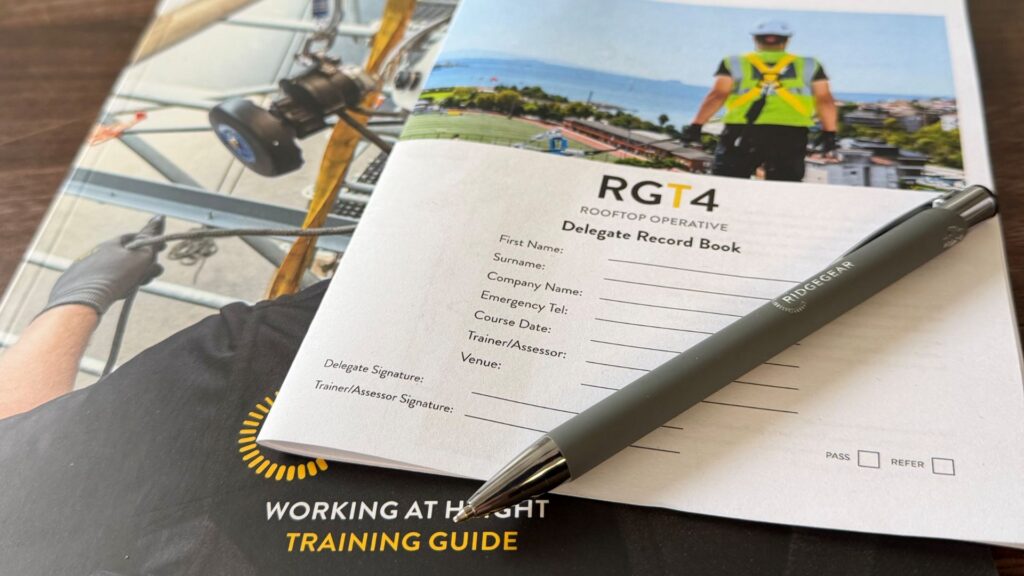
Image of training manual

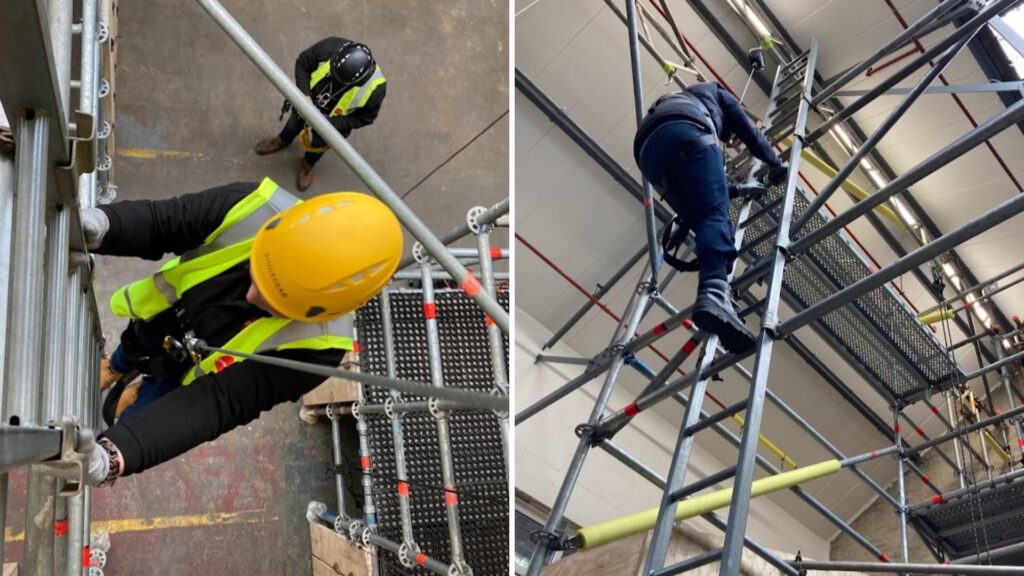
Recently, members of our planning team attended RidgeGear’s RGT4 Working at Height training course. They did this alongside two of our lightning protection engineers, one of whom had only been with the business for a couple of weeks. While their day-to-day responsibilities are very different, everyone came away with a better understanding of the challenges involved in working at height and just how important it is to get the details right. 

What I particularly liked was the opportunity for people from different roles to learn together. Our engineers were able to share practical experiences from site. Our office-based colleagues could ask questions and gain a deeper understanding and appreciation of the equipment, procedures and safety considerations involved in carrying out work at height. Those conversations and exchanges of knowledge were incredibly valuable. 

The more our planners and administrators understand the realities faced by our engineers, the better positioned they are to support them. Equally, the more our engineers understand how much work happens behind the scenes, the stronger those working relationships become. Ultimately, everyone benefits, especially our customers. 

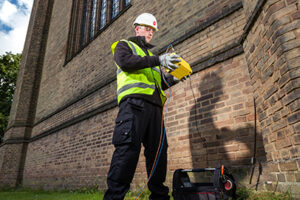
Images from height safety training


Over the years, we’ve supported many members of our planning, administration and supervisory teams through working at height training because we recognise that safety is a shared responsibility. One of the biggest benefits of training opportunities like this is that they help people understand how their role fits into the bigger picture.

The more people understand the challenges, risks and responsibilities associated with working at height, the stronger the support they can provide to those carrying out the work. You don’t need to be climbing a ladder every day to make a meaningful contribution to safe work at height. 

In fact, some of the most important safety decisions are made before a job even begins, and that’s something I believe our industry could do a better job of recognising. Office based roles are sometimes viewed purely as administrative functions, but planners, coordinators and administrators are critical to keeping projects moving and creating the conditions for safe delivery. If we want people to understand their part in that, we need to invest in their training as seriously as we do for those on site. 

For me, that’s what building a strong safety culture is all about. It’s not the responsibility of one team or one individual. It comes from people across the business working together, sharing knowledge and understanding the part they play in helping keep one another safe. 

Whether you’re planning a job, arranging access, managing resources, supervising a project or carrying out the work itself, every role contributes to safe outcomes. The more we understand each other’s responsibilities and challenges, the stronger our teams become. When that happens, everyone benefits. 

Looking for more insight into our height safety expertise?

Latest news

Business News

Double success for Omega Red Group at ATLAS 80th anniversary celebration

Two Omega Red Group team members received top honours at the Atlas 80th Anniversary Celebration, while one of the specialist lightning and height protection company’s projects also received a special mention from the judges in the Best Commercial and New Build Project by a Lightning Protection Member category.
Read more