Lightning protection

Lightning strikes are dangerous. They cause fires, injuries to people by direct strike and electric shock, structural damage, and the failure of electrical and electronic infrastructure, leading to loss of safe and continued business operation. That’s why lightning protection is often a smart and sometimes necessary safety measure. 

Installing a lightning protection system can be determined by risk assessment and cost-benefit analysis. In some cases, it’s required by an authority having jurisdiction; in others, it’s chosen for peace of mind, even when the risk seems low. 

A recognised market leader in lightning protection

We help new and existing clients assess lightning risk and design lightning protection systems that meet British Standards (BS). 

Our fully-qualified, nationwide teams offer a turnkey lightning protection service which includes site surveys, risk assessment, material supply, installation, inspection and testing, and ongoing maintenance.  

Our turnkey approach

The first step in building a lightning protection system is understanding the risk. 

We assess whether protection is needed based on how likely and how harmful a lightning strike might be.  Protection is required if the lightning risk is deemed sufficient. 

Our dedicated team can perform a wide range of services to understand and meet your lightning protection needs.  

We design lightning protection systems that meet the latest British Standards, helping protect your building, people, and equipment from damage.  

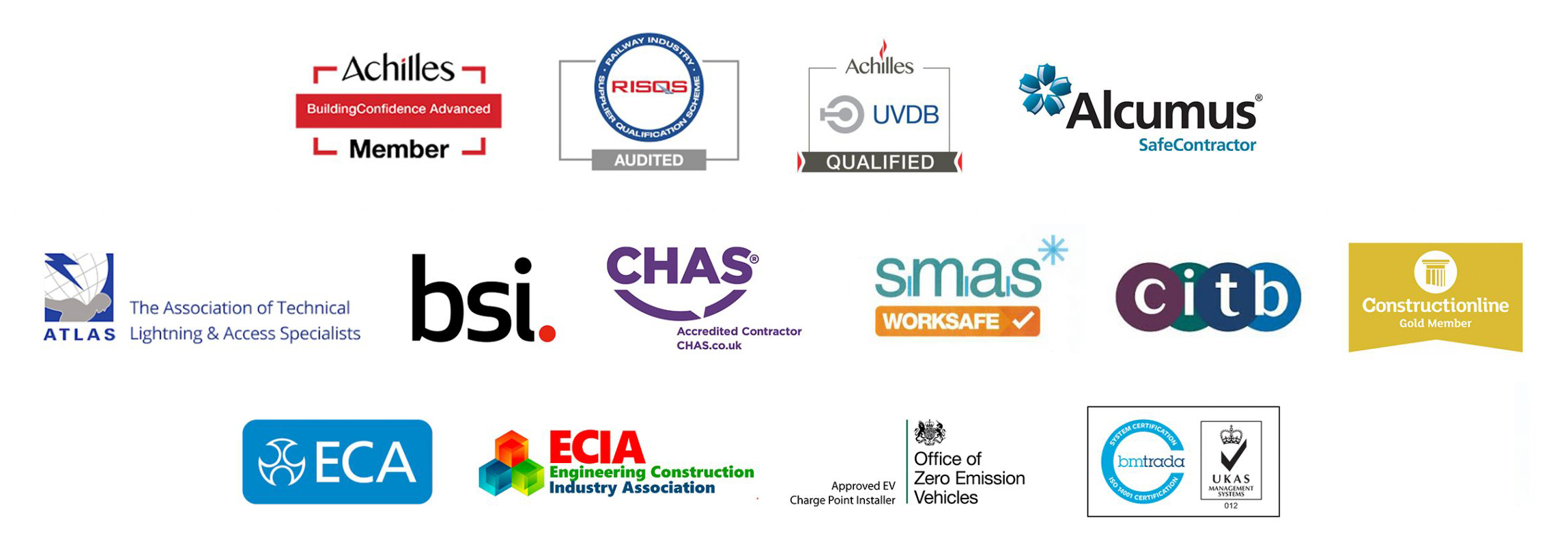
Our skilled design team is fully conversant with BS EN IEC 62305 and their expertise is accredited by The Association of Technical Lightning & Access Specialists (ATLAS). 

No matter your building type or industry, we can create a tailored solution to meet the needs of your business and to keep your lightning risk at a safe level.  

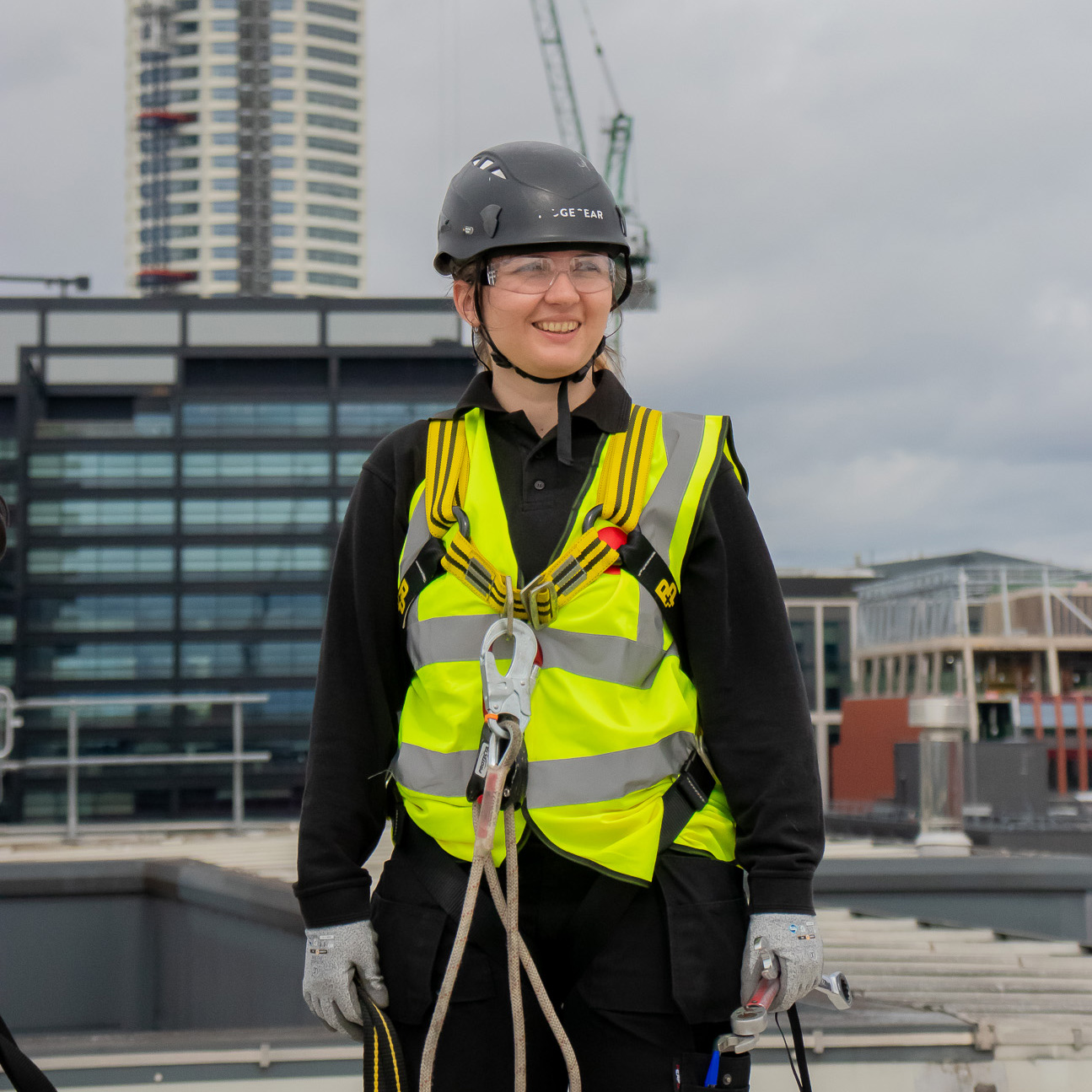
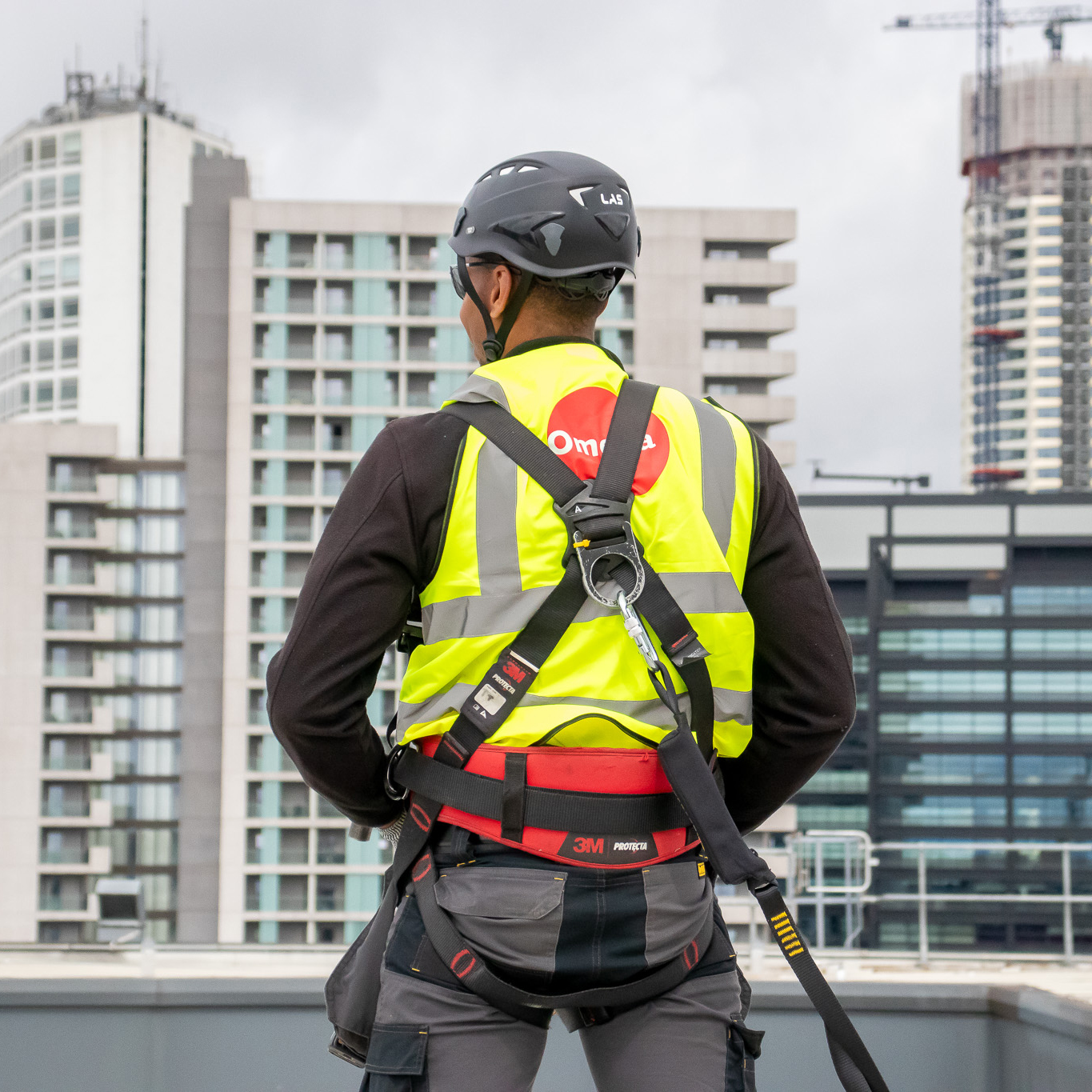
We have an experienced team of installation engineers, operating nationwide from our regional branch network.  

Our engineers have the knowledge and experience to install lightning protection systems for a wide range of market sectors, in a safe, competent and efficient manner.

Our engineers hold the following competencies: 

  • Basic Electrical Safety Competence (BESC) 
  • Client Contractor National Safety Group (CCNSG) 
  • Confined space trained and accredited 
  • Construction Skills Certification Scheme (CSCS) 
  • HSG47 safe digging practices 
  • National Grid Competent Persons 
  • Network Rail Personal Track Safety (PTS) 
  • Safety, Health and Environmental Awareness (SHEA) 
  • Site Management Safety Training Scheme (SMSTS) 
  • Site Supervisors Safety Training Scheme (SSSTS) 

Regular inspection, testing and maintenance are key to making sure your lightning protection system stays effective and meets British Standards. Without proper maintenance, the system might fail to discharge lightning safely or protect your electrical systems and equipment. 

Our team of engineers carry out thorough inspection and testing of all lightning protection systems.  

We recommend inspections every 11 months to take account of different seasonal conditions and to ensure effective protection year-round. 

After each visit, we provide an inspection certificate and highlight any repairs needed to keep your system in good condition. 

Lightning protection standards

IEC 63205 is the recognised worldwide standard for lightning protection system designinstallation and maintenance. BS EN IEC 62305 is the third British edition of the European Standard and is derived from the IEC document. Both have four complementary parts.

BS EN IEC 62305-1 provides the general principles for the protection of structures, their people, contents and electrical installations, against the effects of lightning. 

BS EN IEC 62305-2 provides the procedure for the evaluation of the risk of damage and loss from a lightning related event. 

BS EN IEC 62305-3 provides the requirements for the protection of a structure against physical damage, by means of a lightning protection system (LPS), and for protection against injury to human beings due to touch and step voltages, in the vicinity of an LPS. 

BS EN IEC 62305-4 provides requirements for the design, installation, inspection, maintenance, and testing of surge protection measures (SPM) for electrical and electronic systems, to reduce the risk of permanent failures due to lightning electromagnetic impulse (LEMP) within a structure. 

Note – It is recommended to assess and maintain older lightning protection systems in line with the requirements of the latest British Standard, and doing so should produce a more suitable solution, as it is more comprehensive in its approach than earlier standards. 

Want to read more? Take a look at our Thought Leadership piece, ‘Lightning | Are you truly protected? A look at the 2025 changes in BS EN IEC 62305’.

Related content