
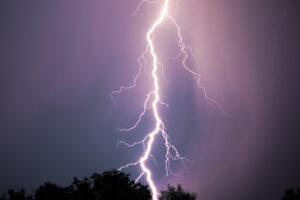

When it comes to lightning, many people assume the damage it causes is simply unavoidable. After all, we can’t stop lightning from striking – and that’s true.
But here’s the dangerous misunderstanding:
While we can’t prevent lightning strikes, we absolutely can prevent most of the damage they cause.
And the difference between those two things can be the difference between a minor incident and a catastrophic one.
The myth: 'There's nothing you can do about a lightning strike - it's just a force of nature.'
It’s a phrase we hear surprisingly often. The thinking goes like this:
- We can’t control when or where lightning strikes
- So, there’s no point worrying about it
- If it happens, it happens
But this logic is deeply flawed.
Not being able to control the weather does not mean we’re powerless to reduce the risk. In fact, modern buildings are protected from all kinds of uncontrollable forces, such as fire, floods and electrical faults, through smart engineering and good design.
Lightning should be no different.
The reality: Lightning damage is preventable.
Lightning can strike almost anywhere. And when it does, the consequences can be severe and costly:
- Structural damage
- Fire and explosions
- Electric shock risk to occupants
- Failure or destruction of critical equipment and systems
- Costly downtime for businesses and services
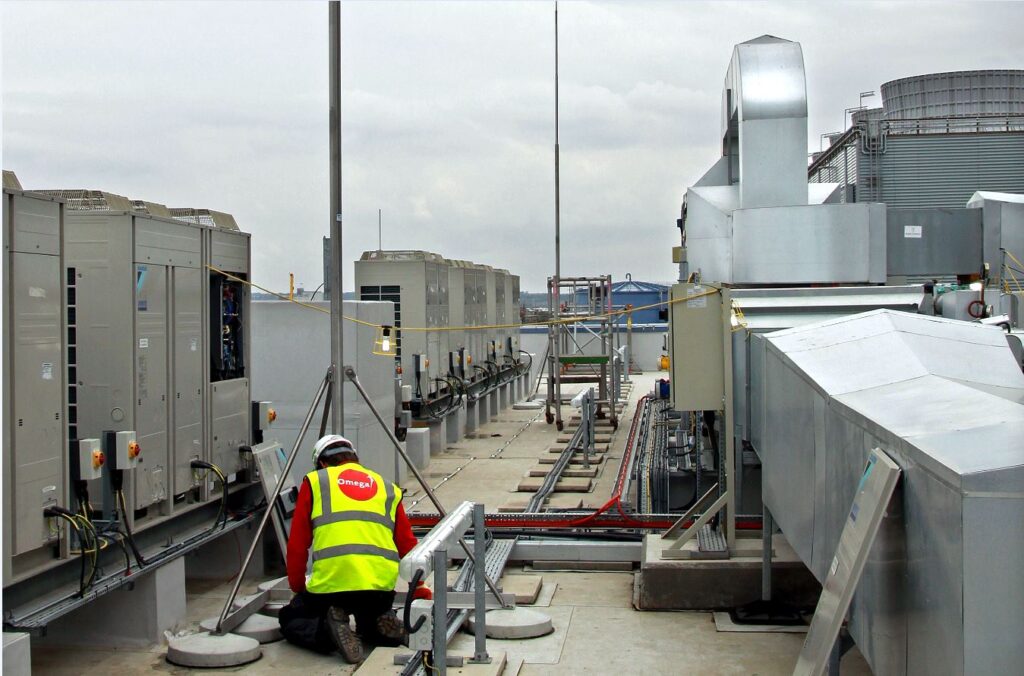
A properly designed lightning protection system (LPS) doesn’t ‘stop’ lightning, but it controls it, guiding the enormous energy safely into the ground instead of through your building, your people or your equipment.
In many cases, it can quite literally mean the difference between life and death.
What protects a building?
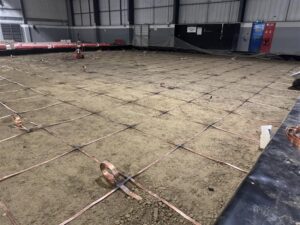
A complete lightning protection system works like a Faraday cage: it provides a safe, controlled path for lightning currents to follow, keeping them away from the structure and its occupants.
A typical system includes:
Air termination
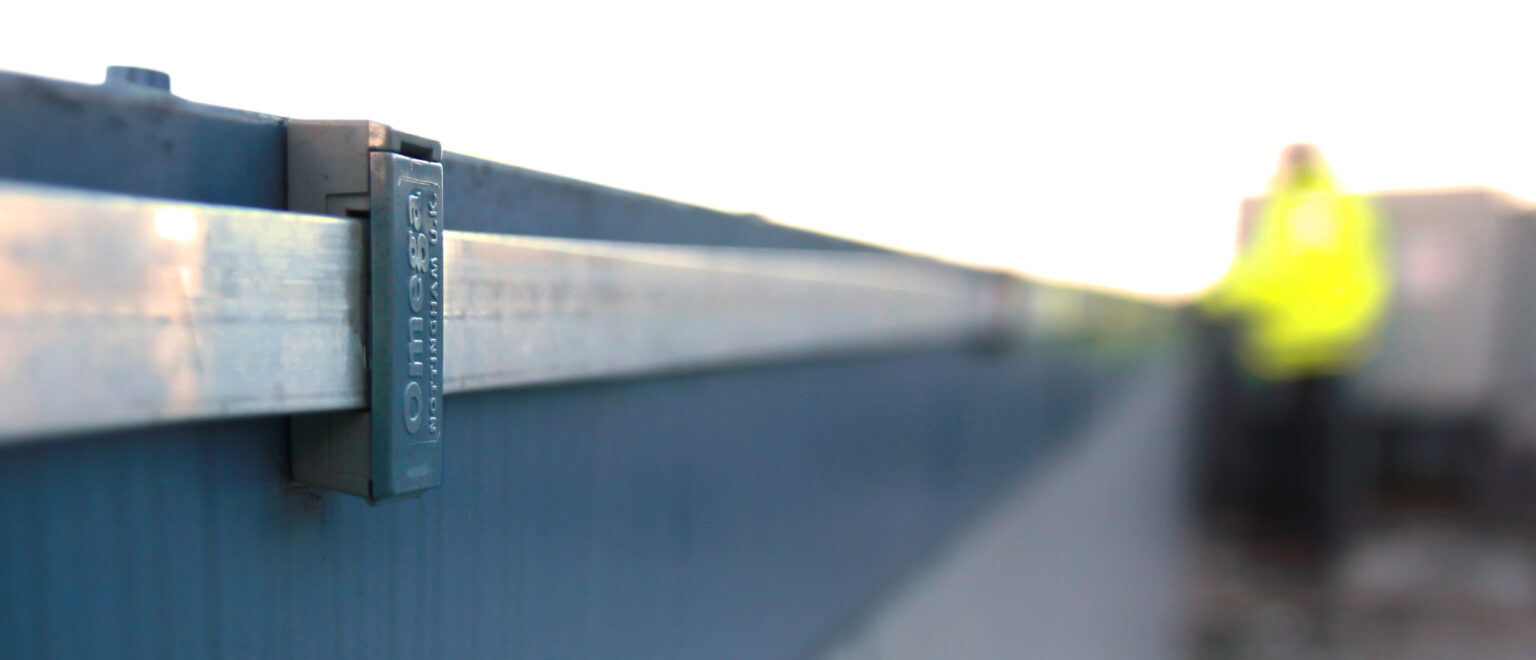
This is the part that intercepts the lightning strike – rods, tapes, or conductors placed at roof level to provide a preferred strike point.
Equipotential bonding
The relevant conductive items on the roof and structure are bonded into the system so they are all electrically connected. This prevents dangerous sparking and side-flashing between components.
Down conductors
These provide a safe, low-resistance path from roof level down to ground level, carrying the lightning current away from the building.
Earthing system
This safely dissipates the energy into the ground, where it can disperse harmlessly.
Surge protection devices (SPDs)
These protect internal electrical systems and sensitive equipment from dangerous voltage surges that can cause electrocution, fires, or equipment failure.
Together, these elements form a complete, engineered system – not guesswork, not luck. We can never completely remove the risks from lightning, but we can dramatically reduce the risk of serious harm.
Why this matters for building owners and managers
If you don’t take lightning risk seriously, you are:
- Jeopardising occupant safety
- Exposing your building and equipment to unnecessary damage
- Risking business interruption and downtime
- Potentially increasing insurance premiums
Lightning protection isn’t about paranoia. It’s about responsible risk management.
The bottom line
You can dramatically reduce the risks from lightning with:
- A professional lightning protection risk assessment
- Correct system design and installation by qualified specialists
- Regular testing and inspection aligned with industry standards
If you’re not sure whether your building is properly protected, or whether your existing system is still compliant and effective, it should be reviewed. We recommend inspections every 11 months to maintain year-round protection. Our engineers provide thorough inspection and testing of all lightning protection systems.
Get in touch with us to discuss your lightning risk exposure and book in for an assessment.
Lightning may be unavoidable. Serious damage doesn’t have to be.
If you enjoyed this article, why not plug into our podcast ‘Grounded in Safety’?
Our first episode ‘StruckSmart’ gets practical about lightning protection. Hear about how strikes really travel, where myths mislead decisions and why the newest BS EN IEC 62305 standard changes how we think about risk, fire and system uptime.